
Ethical Wildlife Photography
How we photograph wild animals without baiting, habituation or disturbance, and why that approach produces better images for our clients.
Why We Don’t Bait Wildlife
We don’t use food, carcasses or decoys to draw animals into frame. Wildlife baiting changes how an animal behaves around people. It can alter feeding patterns, draw animals towards roads and settlements, and put them at greater risk once the cameras have gone.
We don’t run tours to hides that rely on baiting, such as some brown bear hides in Finland, which have been the subject of ongoing debate among conservationists, or to locations where guides have been known to disturb animals to force a photograph, as documented with fennec fox photography in Morocco, where wild kits are illegally captured and kept restrained for tourist photos.
We ran a sold-out winter tour to photograph Pallas’s cats in eastern Mongolia, but pulled out due to the cats being chased for photographs. Cancelling cost us a significant amount in lost revenue, but we refunded every client rather than run a tour that could have endangered the animals.

Distance and Patience Over Proximity
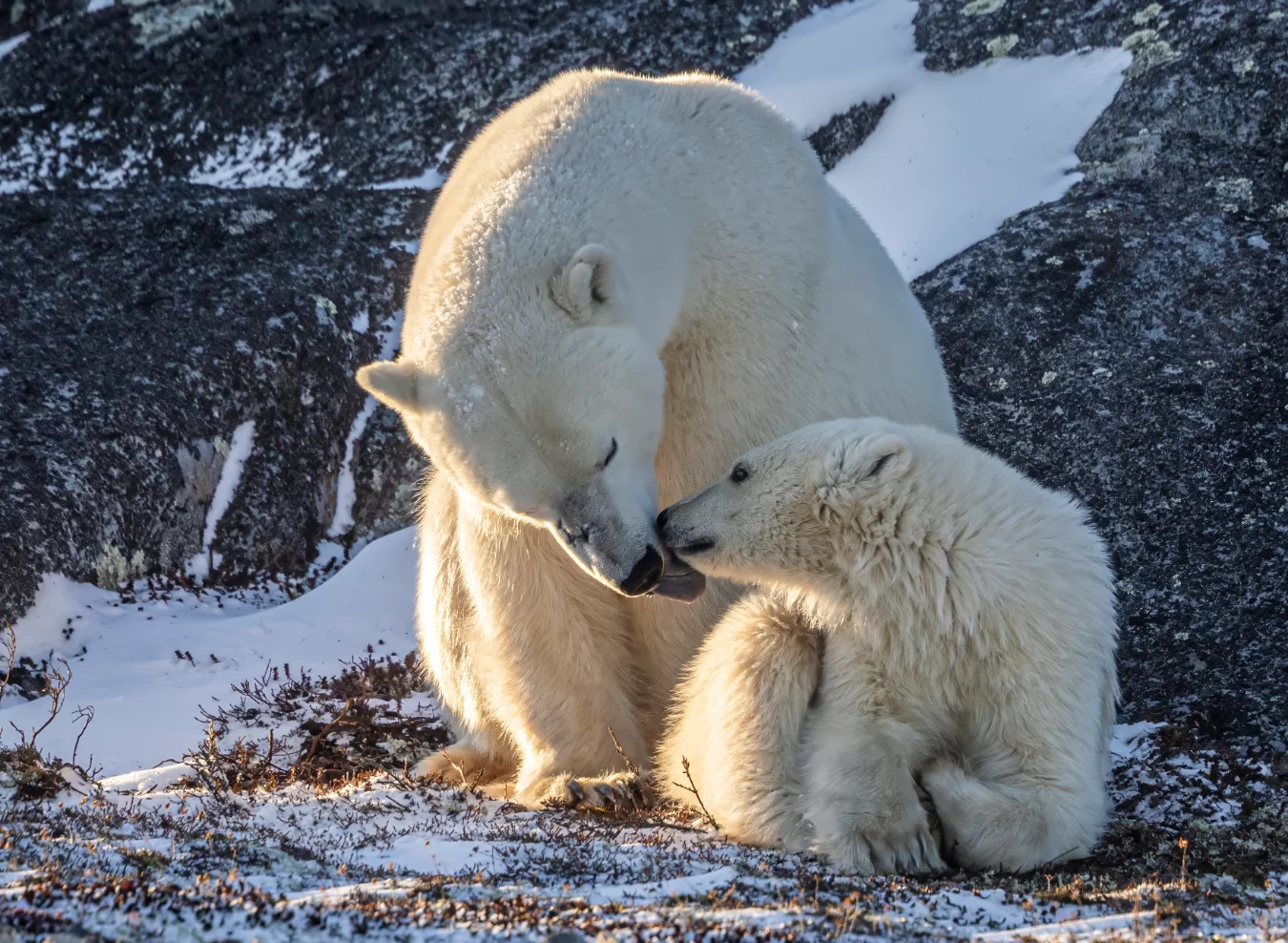
Every Wild Lens photograph is captured by locating wildlife in its natural habitat, not by bringing animals to us. Tour leader David Gibbon works almost exclusively with a large 500mm prime lens, often paired with a 1.4x or 2x extender, to ensure animals remain completely undisturbed. Fieldcraft, weather conditions and the time of day carefully guide our approach and timing.
Our guides pass this approach on to every client. They’ll talk you through camera settings, positioning and reading an animal’s behaviour, so you know when to hold back, when to move and when to leave it be. That guidance protects the animal as much as it improves your photograph, whether you’re picking up a camera for the first time or you’re an experienced photographer.


Local Knowledge and Guiding
We work with local ground agents at every destination and vet each one to make sure every tour runs ethically. For example, for our Corsac Fox Cubs and Pallas’s Cat Kittens tour in Mongolia, our summer team sets up blinds a safe distance from each den, so clients can photograph the animals without disturbing them.
Working with local guides is also part of a wider commitment to responsible travel. We aim to minimise our impact on the environment, support the communities we visit and promote sustainable tourism practices wherever we operate.
This ethical approach has produced the images in our gallery, and the same stunning results clients take home from every trip.
No Disturbance at Nests or Dens
We don’t approach nesting, denning or breeding sites in a way that risks an animal abandoning them.
On our summer Arctic Fox Cubs tour to Iceland, for instance, we wait until the cubs are out of the den before visiting, as arriving any earlier could disturb feeding or cause the vixen to abandon the den altogether and leave the cubs exposed to predators. As always, the animal’s welfare comes before the photograph.

Wildlife Photography Tours with No Baiting
Every Wild Lens tour is run without baiting or disturbance, wherever you travel. From the Arctic to Sri Lanka, every wildlife destination adheres to the same ethical standard.
Your Money is in Safe Hands
Wild Lens Nature Tours Ltd. safeguards your trip deposits and balances in a dedicated trust account with Protected Trust Services (PTS), a leading provider of financial protection for UK travel companies.
Additionally, our comprehensive supplier failure insurance protects your investment if any of the ground agents or service providers we partner with fail to deliver the services you’ve paid for.

See what our clients are saying
Ethical Wildlife Photography FAQs
